
Introduction of Chess Board

- Description
- Curriculum
- FAQ
- Notice
- Reviews
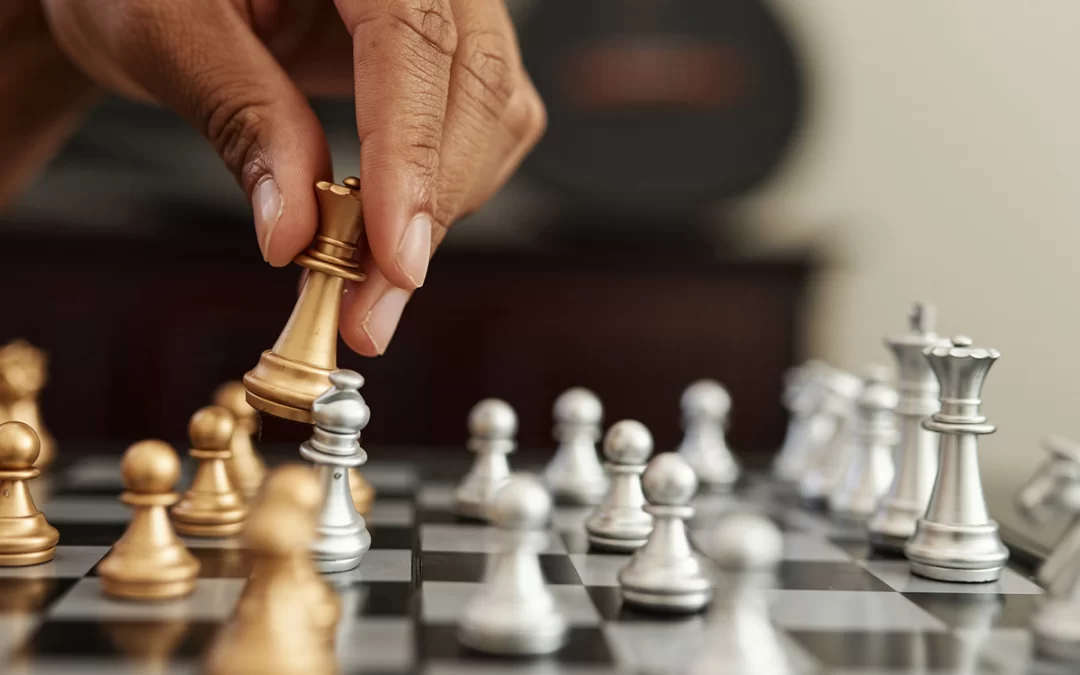
Introduction of Chess Board – Complete Beginner Guide
Chess is a game of logic, strategy, and precision—but before learning how the pieces move or how to win a game, every player must first master the chessboard itself.
Introduction of Chess Board is a carefully structured beginner course designed to give learners a deep and practical understanding of the chessboard, its layout, notation, and importance in the game.
This course focuses on building a strong foundation, ensuring that students clearly understand how the chessboard works before moving on to piece movements, tactics, or openings.
What This Course Is About
In this course, you will learn everything you need to know about the chessboard—from how it is placed correctly, to how each square is identified and used during a game. Many beginners struggle not because chess is difficult, but because they lack clarity about board orientation and notation. This course eliminates that confusion completely.
Through structured video lessons and practical assignments, learners will develop confidence in identifying squares, understanding directions, and visualizing positions on the board—skills that are essential for long-term chess improvement.
What You Will Learn
By the end of this course, you will be able to:
-
Correctly set up and orient the chessboard every time
-
Understand the 64 squares, colors, ranks, and files of the board
-
Identify each square using proper chess notation
-
Recognize the importance of central, corner, and edge squares
-
Avoid common beginner mistakes related to board understanding
-
Read and follow chess instructions, books, and online lessons with ease
-
1
 Introduction Of Chess Board
This video explains the basic layout of a chessboard, including its squares, colors, and how it is positioned correctly before starting a chess game. It is perfect for beginners who are learning chess for the first time.
-
2
 quiz1
quiz1 -
3
Chess Pieces
This video introduces the six types of chess pieces used in a standard chess game. It explains how many pieces each player has, what the pieces are called, and how they move on the chessboard. It’s perfect for beginners who are learning the game for the first time.
-
4
Introduction to pieces
-
7
Notation
This video explains chess notation, the system used to write down and read the moves of a chess game. It teaches how each square on the board is named and how every piece’s move is recorded using letters and numbers so players can track and study games.
-
8
Notations
-
9
Danger Square
This video explains the idea of danger squares in chess — squares on the board that are threatened by your opponent’s pieces and can lead to losing material or getting into trouble. It helps beginners learn how to spot dangerous squares and avoid placing their pieces where they can be captured.
-
10
Danger Squares
-
11
Trip Method
This video explains the Trip Method in chess, a simple way to help beginners improve their thinking and planning during a game. It teaches a step-by-step approach to evaluating positions and making better decisions.
-
12
TRIP method
-
13
Castling
This video explains castling, a special chess move that helps protect your king and brings your rook into play. It teaches when and how castling is done, and the rules you must follow to castle correctly.
-
14
Castling
-
15
Shortest Game
This video explains one of the shortest chess games, showing how a game can end very quickly and what happened in that fast finish. It’s a lesson on how games sometimes finish early and why understanding the opening and draw offers matters.
-
16
Principles
This video teaches the basic chess principles every beginner should know to play chess well. It explains the general guidelines and ideas that help you make good moves, control the game, and build a strong position from the start.

Productivity Hacks to Get More Done in 2018
— 28 February 2017
- Facebook News Feed Eradicator (free chrome extension) Stay focused by removing your Facebook newsfeed and replacing it with an inspirational quote. Disable the tool anytime you want to see what friends are up to!
- Hide My Inbox (free chrome extension for Gmail) Stay focused by hiding your inbox. Click "show your inbox" at a scheduled time and batch processs everything one go.
- Habitica (free mobile + web app) Gamify your to do list. Treat your life like a game and earn gold goins for getting stuff done!
- Flexible deadline
- Hours of on-demand video
- 100+ downloadable optional reading material
- Assignments
- Certificate of completion
- Good grasp of the English language
- No prior knowledge of creative writing required
- Suitable for all levels
- Anyone passionate about writing